Interior Lighting in the UK: A Comprehensive Guide
Interior lighting plays an essential function in producing an environment, boosting performance, and revealing individual design within homes and organizations. In the UK, where the weather can be unforeseeable, effective lighting is not only about aesthetic appeals but likewise about making areas feel warm, inviting, and practical. This article explores different aspects of interior lighting, encompassing types, trends, tips, and regularly asked concerns.
Understanding the Importance of Interior Lighting
Lighting is typically considered the backbone of interior style. It influences state of mind, functionality, and the perceived size of areas. The ideal lighting can:
- Enhance the architectural functions of a room.
- Emphasize art work and decor.
- Improve security and security.
- Impact efficiency in work spaces.
- Create a comfy atmosphere for relaxation.
Kinds Of Interior Lighting
Efficient lighting design normally includes three primary types of lighting: ambient, task, and accent.
1. Ambient Lighting
This is the primary source of light in a room, providing total lighting. Typical sources include:
- Ceiling-mounted fixtures
- Chandeliers
- Recessed lighting
- Soft wall sconces
Ambient lighting produces a foundation from which other lighting types can build upon.
2. Job Lighting
Task lighting concentrates on particular locations to assist in activities such as reading, cooking, or working. This kind of lighting assists to decrease eye pressure and can drastically affect functionality. Typical sources include:
- Desk lamps
- Under-cabinet lights in kitchens
- Reading lamps next to beds
- Mounted lights focused on work surface areas
3. Accent Lighting
Accent lighting adds drama and highlights specific objects or areas, such as art work or architectural features. This type of lighting can develop visual interest and depth in a space. Sources consist of:
- Picture lights
- Decorative lamps
- Uplighters
- LED strip lights along racks
Making use of a combination of these lighting types can cause a healthy and multifunctional area.
Popular Lighting Trends in the UK
The interior lighting landscape in the UK continues to progress, influenced by design patterns, innovation, and consumer preferences. Here are some popular patterns to view:
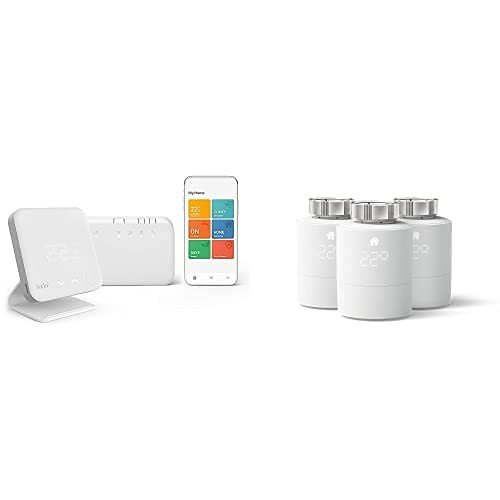
- Smart Lighting: The advent of smart innovation has actually transformed how people manage lighting in their homes. Smart bulbs and systems like Philips Hue allow users to manage brightness and color temperature through their smart devices.
- Minimalist Designs: Sleek, basic styles that mix seamlessly with interiors are controling the market. Pendant lights with delicate frames, LED strips, and geometric shapes are particularly stylish.
- Industrial Lighting: This pattern showcases raw, uncovered materials. Metal fixtures and Edison bulbs provide a vintage touch that is both trendy and practical.
- Eco-Friendly Options: With increasing awareness of sustainability, many consumers are turning to energy-efficient LED options and fixtures made from sustainable products.
Tips for Effective Interior Lighting Design
Designing an effective lighting strategy requires thoughtful consideration of numerous aspects. Here are some pointers:
- Consider the Purpose of Each Room: Every space has a various function. Consider what activities will happen and what kind of lighting will support those activities.
- Layer Lighting: Employ multiple types of lighting within a room to produce depth and versatility. Integrate ambient, task, and accent lighting to boost both aesthetics and performance.
- Use Dimmers: Dimmers allow for control over brightness levels, enabling users to adjust lighting according to mood and time of day.
- Incorporate Natural Light: Make the most of natural light sources like windows. Use Full Document , reflective colors for walls and furnishings to optimize brightness.
- Think About Color Temperature: Different color temperature levels (measured in Kelvins) develop various atmospheres. Warmer temperatures (around 2700K-3000K) are cozy, while cooler temperature levels (4000K+) lend a more medical or energetic feel.
Interior Lighting Mistakes to Avoid
To create a well-lit space, it's important to avoid common lighting pitfalls. Here are some mistakes to look for:
- Underestimating Wattage: Insufficient wattage can result in dim, unwelcoming areas.
- Disregarding Scale: Fixtures that are too small for a room can keep an eye out of location, while extra-large fixtures can overwhelm a space.
- Over-reliance on Ceiling Lights: Relying solely on overhead lighting can develop uninviting shadows; balance with additional lighting types.
- Poor Placement: Misplaced lights can create locations that are too intense or too dark. Strategy placements thoughtfully.
FAQ Section
1. What is the distinction in between warm white and cool white light?
Warm white light (2700K to 3000K) creates a comfortable, welcoming atmosphere, perfect for living spaces and bedrooms, while cool white light (4000K to 5000K) is more fit for offices as it improves concentration and clearness.
2. How can Full Document maximize natural light in my home?
To optimize natural light, usage light-colored walls, strategically location mirrors to reflect light, and select sheer window coverings that enable sunshine to pass through.
3. How do I choose the right light?
Consider the size of your area, the design of your decoration, and the function of the area. Make sure the scale of fixtures complements the room and matches the overall visual.
4. Are LED lights much better than traditional bulbs?
Yes, LED lights are more energy-efficient, have a longer lifespan, and can provide a range of color temperature levels, making them a more sustainable lighting alternative.
5. What should I do if certain locations of my room remain too dark?
Think about adding additional task or accent lighting to lighten up those areas. Floor lamps, wall sconces, or perhaps tactically positioned table lamps can assist relieve dark areas.
Interior lighting is an important element of home and service style throughout the UK. Understanding the different types, existing trends, and finest practices can help property owners in creating spaces that are not only elegant but also functional. With thoughtful factor to consider and planning, efficient lighting can transform any environment, enhancing both atmosphere and functionality for years to come.